The Audio Cynic·Tj's Workshop·Issue 01
Right to Repair: What It Actually Means for You
Right to Repair is about whether the device you paid for can remain yours after the first failure, not just a slogan on a poster.
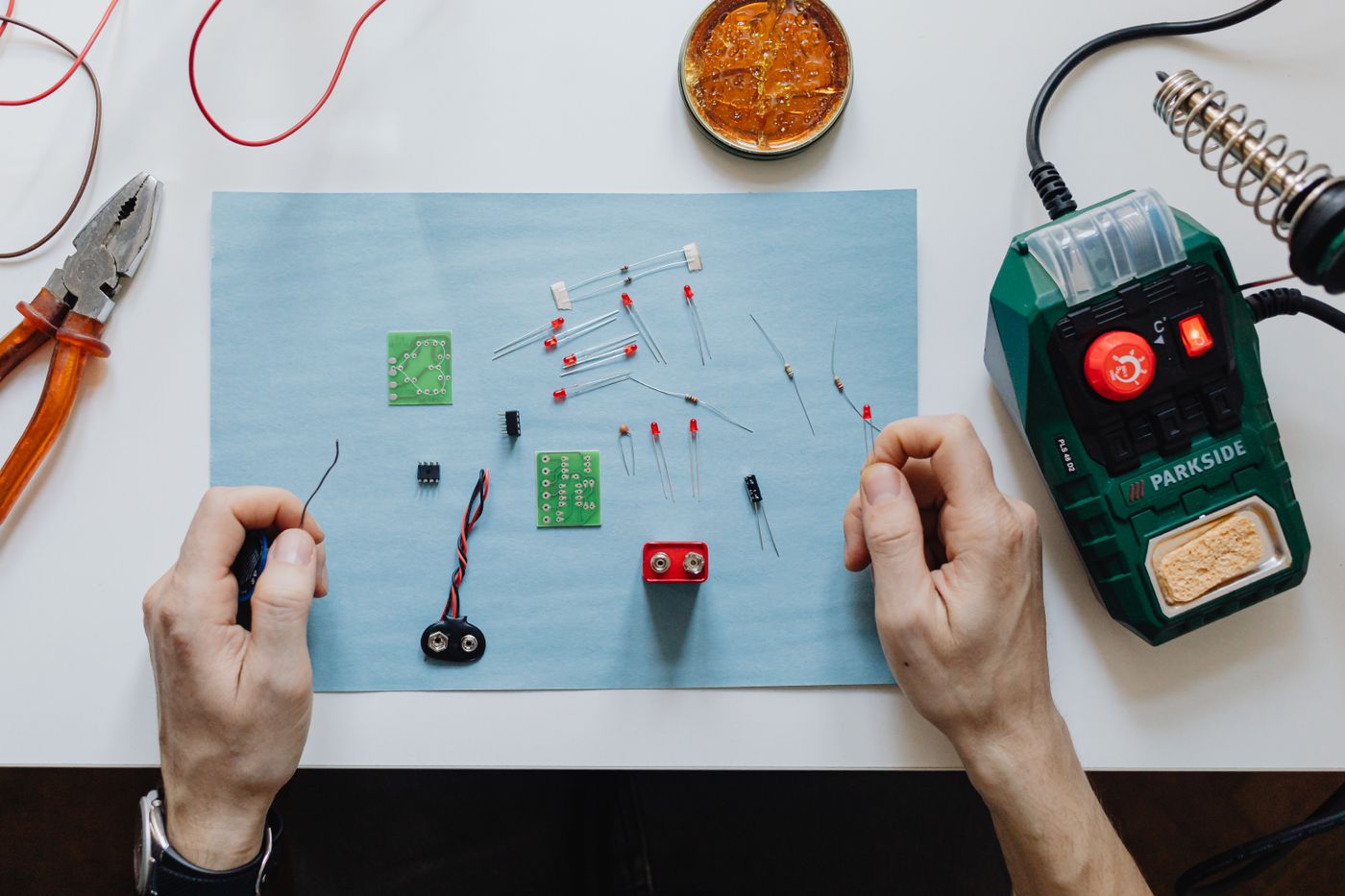
Right to Repair is practical. It asks whether you can keep using, maintaining, and fixing the hardware you paid for, or whether the manufacturer has made the first failure the end of the device's useful life.
Batteries glued into place, parts paired to a specific motherboard, unavailable schematics, locked calibration tools, and unsupported firmware can all turn an ordinary repair into a manufacturer-only event. The hardware may be physically repairable while the process is intentionally blocked.
That matters for phones and laptops, but it also matters for audio gear, game consoles, displays, and the everyday electronics that people cannot afford to replace every few years. A repairable design saves money and keeps usable equipment out of the waste stream.
As a customer, ask what failed, what part will be replaced, whether the repair can be tested, and what the limits are before approving work. As a buyer, look for products with replaceable parts, published service information, and manufacturers that support independent repair.
The right to repair is not a promise that every device can be saved. It is the right to get a truthful answer and a fair chance before a sealed box, software lock, or board-swap policy decides for you.
“The right to repair is not a promise that every device can be saved. It is the right to get a truthful answer and a fair chance before a sealed box, software lock, or board-swap policy decides for you.”
Source boundary: Tj editorial. Right-to-repair principles Tomasetti Repair component-level service.
Got something on its last leg?
Component-level diagnosis before any promise. Honest no when it's an honest no.