The Audio Cynic·Tj's Workshop·Issue 01
What I Learned at PS Audio
Years around audio support and bench work taught me that a repair is also a trust problem: bring the music back, then explain what happened.
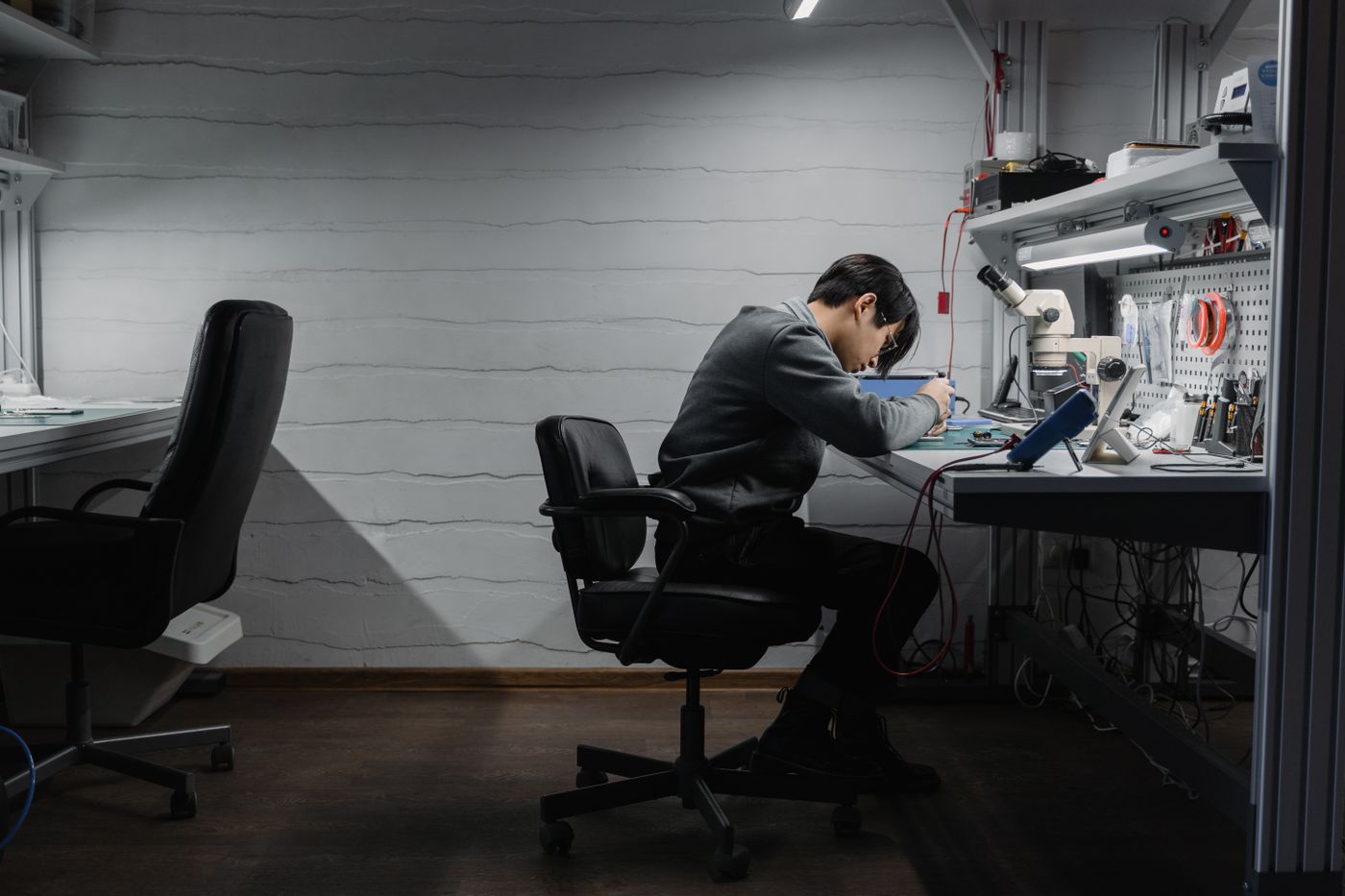
I spent years on the support desk and bench at PS Audio. I worked around serious audio equipment, firmware recoveries, power products, and customers who cared deeply about the systems they had built.
The lesson that stuck with me is that a dead piece of expensive gear is never only a technical problem. The owner is frustrated because something that brought them joy stopped working. They also need to know whether the repair will be honest, whether the price will move, and whether the unit will be tested before it comes home.
Good support is not just reading a script. It means listening to the symptoms, separating a known fix from a guess, and being willing to say when the evidence is not there yet. A repair shop has to communicate the uncertainty as clearly as the diagnosis.
That is the standard I want at Tomasetti Repair. Diagnose the actual failure. Explain the options. Get approval before work starts. Test the result. If the repair does not make sense, say so instead of turning a customer's attachment to the gear into an excuse for a bigger bill.
The bench is where the technical work happens, but trust is part of the repair too. The goal is simple: bring the music or the device back, and leave the customer knowing what was done.
“Good support is not just reading a script. It means listening to the symptoms, separating a known fix from a guess, and being willing to say when the evidence is not there yet. A repair shop has to communicate the uncertainty as clearly as the diagnosis.”
Source boundary: Tj editorial. Tj's PS Audio work history Tomasetti Repair customer promise.
Got something on its last leg?
Component-level diagnosis before any promise. Honest no when it's an honest no.