The Audio Cynic·Audio Repair Field Guide·Issue 01
Why Component-Level Repair Matters
Board swapping is often the fastest way to make a repair bill bigger. Component-level work starts by finding the part that actually failed.
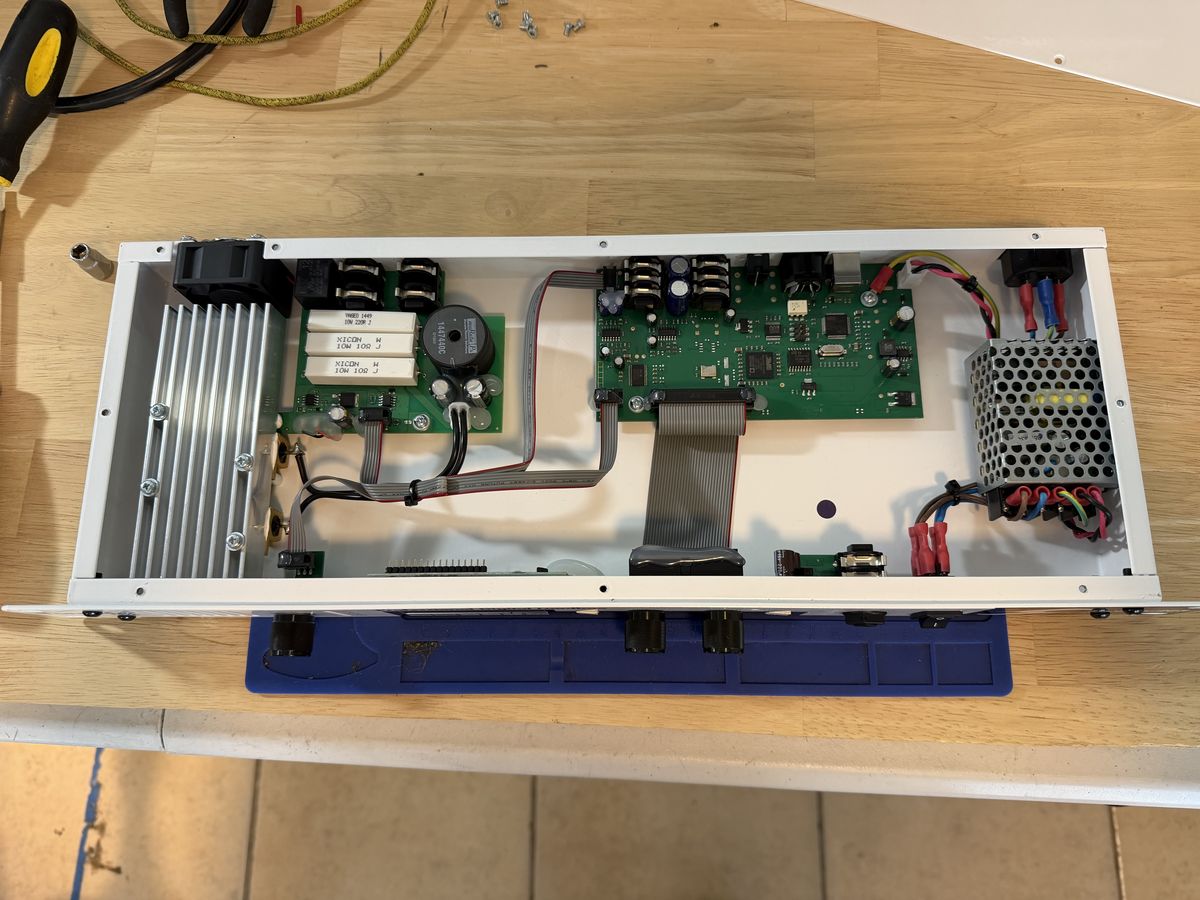
A lot of repair shops do not actually repair the thing in front of them. They diagnose by swapping boards until the problem goes away. That is the parts cannon, and it is expensive.
Your amplifier, laptop, or game console may have a board with hundreds of parts on it, but that does not mean the whole board is bad. A failed capacitor, shorted power device, cracked trace, damaged connector, or bad protection component can make an otherwise good board look dead.
Component-level repair means starting with measurements and symptoms, then narrowing the failure down to the part or section that caused it. The goal is not to replace the most expensive assembly. The goal is to restore the device while preserving the hardware you already own.
It takes more time and more technical work. That is also why a real diagnosis matters before anyone promises a price. Sometimes the answer is a small repair. Sometimes the board is genuinely beyond reasonable repair. Either way, you deserve to know what failed and why.
The best repair outcome is not always the biggest invoice. It is a working device, a clear explanation, and a customer who can decide with the facts instead of being told to buy another board.
“The best repair outcome is not always the biggest invoice. It is a working device, a clear explanation, and a customer who can decide with the facts instead of being told to buy another board.”
Source boundary: Tj editorial. Tj's repair philosophy Tomasetti Repair service promise.
Got something on its last leg?
Component-level diagnosis before any promise. Honest no when it's an honest no.